


About the Lab
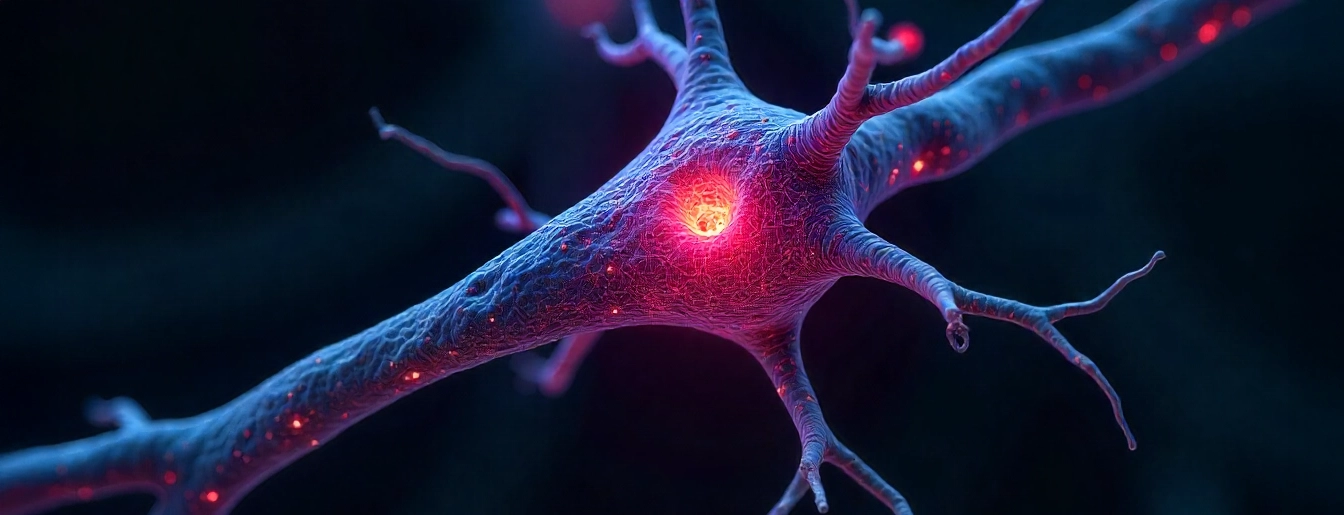
Alzheimer’s disease and related tauopathies are characterized by the formation of toxic amyloid assemblies of the tau protein, whose propagation throughout the brain closely correlates with disease severity. Despite its central role, the triggers and drivers of tau pathology remain poorly understood, and no effective disease-modifying therapies currently exist.
The Tayeb‑Fligelman Lab at the Hebrew University of Jerusalem investigates how amyloids—protein assemblies with both functional and pathological roles—form, spread, and impact human health. The lab combines cryo‑electron microscopy, biochemistry, and cellular models to uncover the molecular mechanisms underlying amyloid formation and propagation in neurodegenerative and infectious diseases, and to identify ways to modulate or disrupt these processes. Its goal is to integrate structural insights with therapeutic design, bridging the gap between molecular understanding and clinical relevance, and paving the way for new strategies to combat amyloid‑related diseases.
The lab explores:
By integrating cryo‑EM, cryo‑ET, biochemistry, and neuronal cell models, researchers dissect tau biology across scales, from atomic to cellular. This multi-platform approach aims to uncover new therapeutic entry points for tackling these complex, multifactorial diseases.
Scholar Profile
Einav Tayeb-Fligelman’s doctorate in the Department of Biology at Technion–Israel Institute of Technology focused on the structure-function relationships of functional amyloids and globular proteins, characterizing amyloid structure in various organisms and discovering a previously unknown cross-α amyloid architecture.
During a postdoc at UCLA, partly coinciding with the pandemic, Dr. Tayeb-Fligelman tied her work with COVID research, demonstrating amyloid fibril formation by a key viral replication protein and designing peptides to combat viral infectivity.
In her lab at the Hebrew University of Jerusalem’s Institute of Life Sciences, Dr. Tayeb-Fligelman uses advanced cryogenic electron microscopy techniques to investigate tauopathies, a class of neurodegenerative diseases that includes Alzheimer’s disease.
