

Ido Goldstein
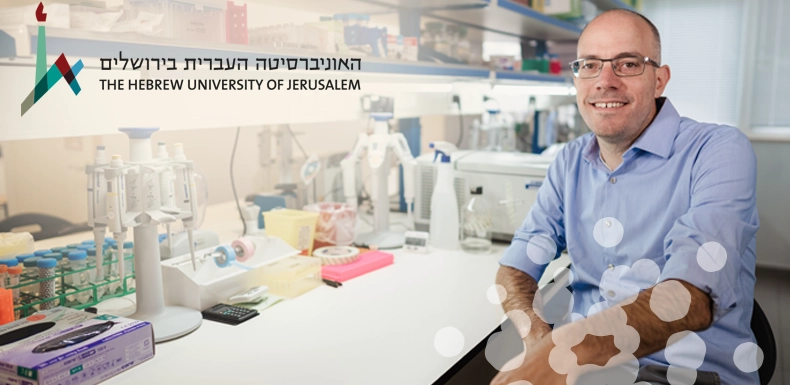
Ido Goldstein, Assistant Professor and Zuckerman Faculty Scholar at The Hebrew University of Jerusalem, published new findings, “Reversible and causal epigenetic information loss in liver aging and disease,” in PNAS Nexus. The study found that as the liver ages or becomes diseased, it gradually loses its unique “epigenetic identity,” drifting toward a more generic state shared with other tissues. Dr. Goldstein and his team discovered that this process is not fully permanent: fasting and other interventions can partially restore former patterns, suggesting that aging-related changes may be reversible.
Abstract:
The loss of epigenetic information has been proposed as a driver of aging and diseases, but the reversibility and causality of this process remain underexplored. Here we analyze liver-unique methylation sites – genomic loci that show distinct methylation patterns in the liver compared to other tissues. Upon disease progression, these sites overwhelmingly regress toward the pan-tissue average. In addition, we demonstrate that this regression also occurs in a majority of these sites during normal aging. Using causal sites previously identified by Mendelian randomization analysis, we identify significant enrichment of liver-unique methylation sites in causal aging-associated loci, particularly sites that are highly methylated in healthy liver.