
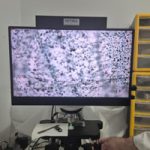
טכנולוגיה פורצת דרך מאפשרת לפולימרים נוזליים להתקשות לפי דרישה.
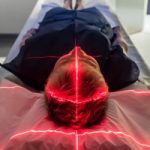
Malware injects fake tumors into 3D CT scans, fooling radiologists into misdiagnoses.
Light-activated smart plastics solidify on demand using heat or light.

Intermittent fasting creates a metabolic cellular memory mechanism in the liver.
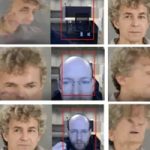
New methods detect live deepfakes during Zoom calls to combat real-time impersonation.

Projected phantom images on roads trick Tesla’s autopilot system into abrupt braking.
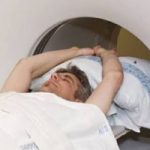
Malware tampers with medical CT scans by adding or removing cancerous nodes.
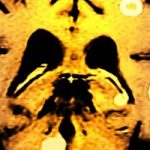
Cybersecurity vulnerabilities in medical imaging allow stealthy manipulation of patient scans.
Dead Sea sediment cores reveal evidence of severe historical drought cycles.
AI expert discusses the importance of AI innovation and democratization.

A transformative NIS 100 million ($25m.) gift will establish the Zuckerman Center for Research on Learning, Memory, and Cognition at the Weizmann Institute and launch a national neuroscience research program to foster collaboration between Israeli and U.S. universities, strengthening Israel’s position as a global leader in brain science.

Research led by Prof. Shani Stern at the University of Haifa unveils genetic discrepancies in schizophrenia discordant monozygotic twins, offering insights for treatment.

A team from Israel, the US, Germany, and Switzerland mapped out the spatial features in dozens of glioma cases, including high-grade glioblastoma (GBM) tumors, identifying regions with varying cell state structure that appeared to reflect low oxygen, or hypoxia, conditions with the tumor tissue.

The Blavatnik Family Foundation, the Israel Academy of Sciences and Humanities, and the New York Academy of Sciences announced on Tuesday the names of the three laureates.