
Taken together, these Zuckerman Faculty Scholars show how broad and interconnected neuroscience has become. Their research spans development, degeneration, repair, sensory experience, cognition, communication, behavior, imaging, and neural engineering, with a shared goal: understanding how the brain changes, and what those changes make possible. From molecules and cells to circuits and behavior, they are building a more complete picture of how the brain works, and developing tools that may one day help diagnose, repair, or reshape it.
Focus: Neuroscience
A Matter of Mind
“
”
How Zuckerman Faculty Scholars are advancing research on brain development, adaptation, communication, disease, and repair
The brain is one of biology’s most dynamic systems. It develops, adapts, learns, ages, repairs, and sometimes breaks down. Across the Zuckerman network, Faculty Scholars are investigating these processes from complementary angles: from the molecular mechanisms that keep neurons healthy to the circuits that support memory, perception, learning, decision-making, and behavior. Together, their work shows how neuroscience connects levels of inquiry that are often studied separately: genes, cells, tissues, circuits, behavior, and technology. This Focus brings those perspectives together into one story: how the brain changes, how it functions, what happens when its systems fail, and how new tools can help researchers understand and influence it.
Development and Neuronal Resilience
WHO: Maya Maor-Nof, Zuckerman Faculty Scholar, Technion – Israel Institute of Technology
RESEARCH PROMISE:
Clarifying how neurons preserve their function over time, and why some become vulnerable to degeneration. Maor-Nof studies the molecular mechanisms that shape neuronal survival, with a focus on RNA metabolism, proteostasis, and the cellular stress responses that help neurons remain resilient.
Read on bioRxiv: “Histone deacetylase inhibition expands cellular proteostasis repertoires to enhance neuronal stress resilience.”
WHO: Omer Revah, Zuckerman Faculty Scholar, The Hebrew University of Jerusalem
RESEARCH PROMISE:
Using stem-cell-based brain organoids to study how the human brain begins to form and function. Revah recreates early stages of brain development in the lab, enabling researchers to examine how neural cells emerge, organize, and connect into circuits. This approach offers a rare window into processes that are difficult to study directly in humans and may help explain how early developmental disruptions contribute to neurological and neurodevelopmental disorders.
Read on PLOS Biology: “Encoding performance of cortical neurons critically depends on their morphological and neurophysiological properties.”
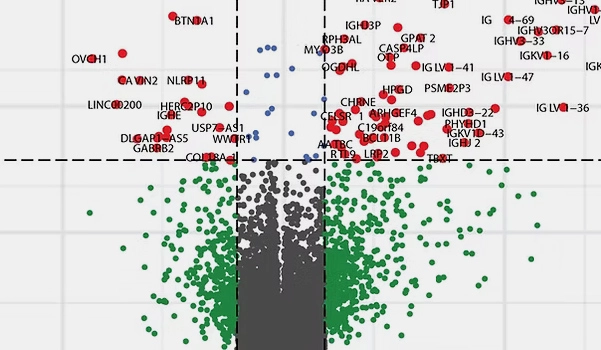
WHO: Shani Stern, Zuckerman Faculty Scholar, University of Haifa
RESEARCH PROMISE:
Using patient-derived human neurons to study the cellular foundations of neurological and psychiatric disease. Stern’s Precision Disease Modeling Lab uses iPSC-derived neurons and other brain cells to investigate conditions including Parkinson’s disease, bipolar disorder, epilepsy, and autism, with the goal of identifying disease mechanisms, biomarkers, and potential precision treatments.
Read on Science Advances: “Shank3 mutation impairs glutamate signaling and myelination in ASD mouse model and human iPSC-derived OPCs.”
When Neural Systems Break Down
WHO: Einav Tayeb-Fligelman, Zuckerman Faculty Scholar, The Hebrew University of Jerusalem
RESEARCH PROMISE:
Investigating how proteins that normally support cellular function can misfold, accumulate, and become toxic in the brain. Tayeb-Fligelman studies amyloid proteins and tau pathology in neurodegenerative diseases such as Alzheimer’s disease, combining structural biology, biochemistry, cryo-electron microscopy, and cellular models to understand how harmful protein assemblies form, spread, and might be disrupted.
Read on Developmental Cell: “Dermal TRPV1 innervations engage a macrophage- and fibroblast-containing pathway to activate hair growth in mice.”
WHO: Itay Raphael, Zuckerman Faculty Scholar, The Hebrew University of Jerusalem
RESEARCH PROMISE:
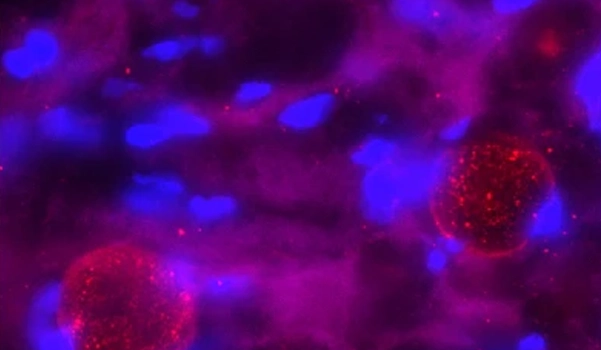
Understanding why the immune system often fails to recognize and attack aggressive brain tumors, and how T cells can be redirected more effectively against them. Raphael studies brain tumor immunology, including pediatric gliomas and adult glioblastoma, combining experimental immunology, single-cell sequencing, computational biology, and translational models to advance immunotherapy strategies for cancers of the nervous system.
Read on Cellular & Molecular Immunology: “C/EBPβ-induced alternative splicing of RCAN1 generates a potent TCR-T target in mesenchymal glioblastoma”
Adaptation and Repair
WHO: Ivo Spiegel, Zuckerman Faculty Scholar, Weizmann Institute of Science
RESEARCH PROMISE:
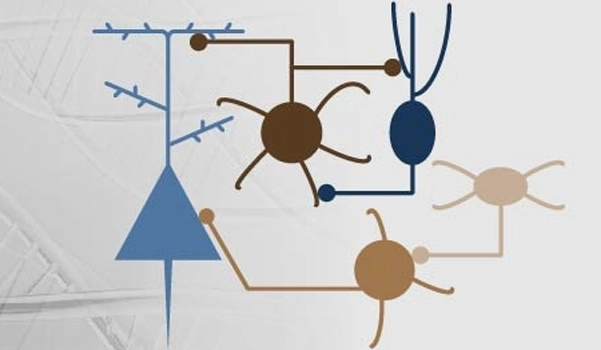
Decoding how sensory experience and neural activity are translated into lasting molecular changes in the brain. Spiegel studies how experience-dependent neural activity regulates gene expression and reshapes neuronal connectivity, offering a molecular view of how experience modifies the nervous system.
Read on Nature Communications: “Behavioural states control binocular vision through input-specific mechanisms.”
WHO: Tamar Ben Shaanan, Zuckerman Faculty Scholar, Weizmann Institute of Science
RESEARCH PROMISE:
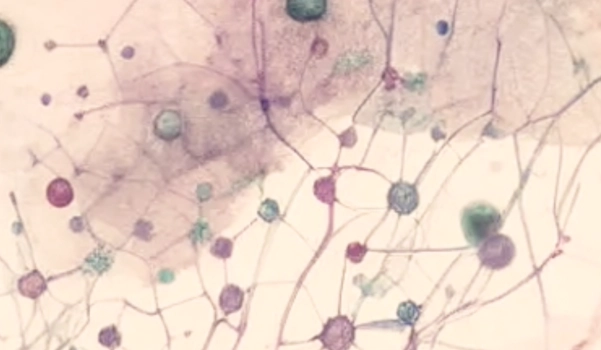
Exploring how the nervous and immune systems communicate during pain, inflammation, and tissue repair. Ben Shaanan’s research reveals how sensory neurons influence immune and tissue-resident cells, positioning the nervous system as an active participant in repair and regeneration.
Cognition, Perception, and Memory
WHO: Michal Ramot, Zuckerman Faculty Scholar, Weizmann Institute of Science
RESEARCH PROMISE:
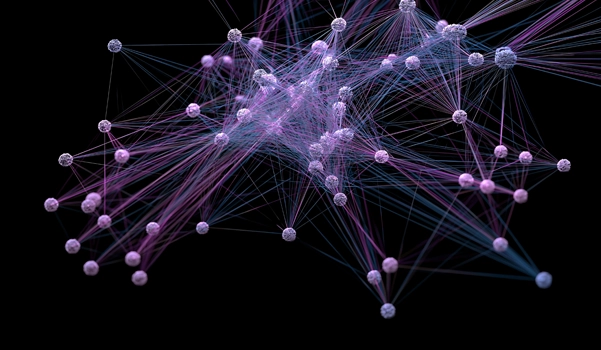
Mapping the large-scale neural networks that support cognition, perception, and social behavior. Ramot combines neuroimaging, neural recordings, and causal approaches to understand how distributed brain regions work together, and how changes in connectivity relate to behavior.
Read on Nature Communications: “Behavioural separation of face memory and face perception.”
Neural Wiring and Communication
WHO: David Deutsch, Zuckerman Faculty Scholar, University of Haifa
RESEARCH PROMISE:
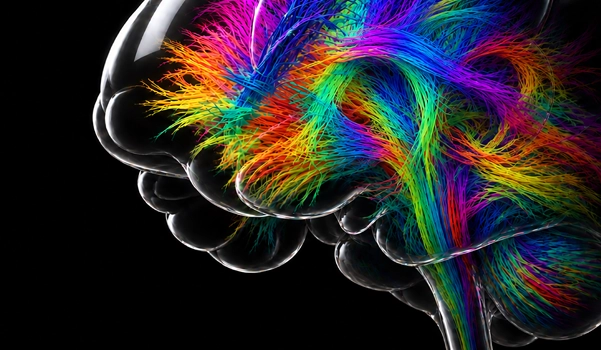
Revealing how the architecture of neural circuits gives rise to brain function. Deutsch works in the emerging field of connectomics, using large-scale maps of neuronal wiring to examine how individual neurons, synapses, and circuit motifs are organized into functional networks. By linking the brain’s physical connections to the computations they support, his work helps move the field from a static wiring diagram toward understanding how information is processed and transformed across neural systems.
Read on Nature: “Neuronal wiring diagram of an adult brain.”
Behavior and Information Processing
WHO: Assaf Ramot, Zuckerman Faculty Scholar, Tel Aviv University
RESEARCH PROMISE:
Investigating how neural circuits support learning, decision-making, and behavioral adaptation. Ramot studies how the brain changes as animals acquire complex skills, and how internal states such as stress influence the circuits that guide behavior.
Read on Nature: “Motor learning refines thalamic influence on motor cortex.”
Tools for Seeing and Influencing the Brain
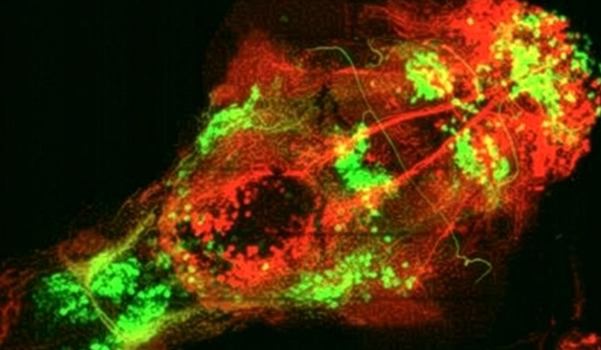
WHO: Limor Freifeld, Zuckerman Faculty Scholar, Technion – Israel Institute of Technology
RESEARCH PROMISE:
Building new ways to observe neural activity in action. Freifeld combines neural activity imaging, super-resolution microscopy, behavior tracking, and computational analysis to connect synaptic organization with the activity of neural circuits.
Read on Biophysical Journal: “Glycine receptor and release site organization impacts the kinetics of glycinergic synapse currents.”
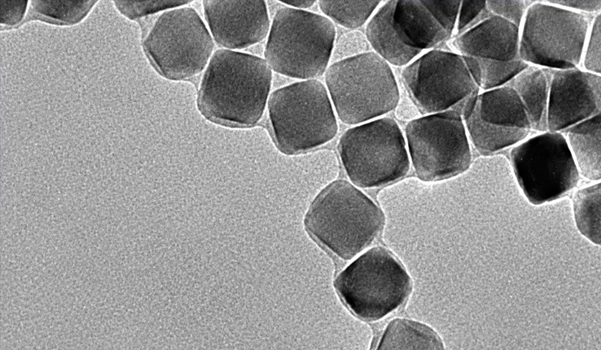
WHO: Dekel Rosenfeld, Zuckerman Faculty Scholar, Tel Aviv University
RESEARCH PROMISE:
Developing nanotechnologies that can interact with living cells and influence their behavior. Rosenfeld works at the intersection of materials science, bioengineering, and neuroscience, developing magnetic nanomaterials for neural recording, neuromodulation, and regenerative medicine.
Read on Colloids and Surfaces B: Biointerfaces: “Magnetothermally responsive fibrin hydrogel for localized neuromodulation.”