

Omri Wurtzel
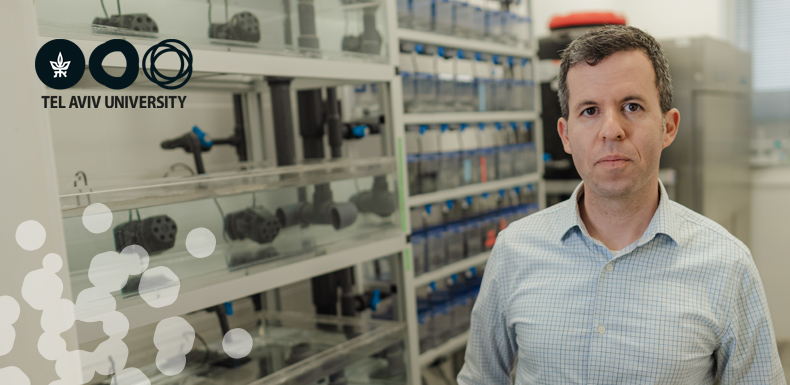
Congratulations to Omri Wurtzel, Zuckerman Faculty Scholar on the publication of “N6-Methyladenosine on Key Messenger RNAs Governs Reproductive Development and Metabolic Adaptation in Human Blood Fluke” in Research (SPJ). The study found that a chemical mark on messenger RNA, known as m6A, plays an important role in helping the human blood fluke develop, reproduce, and adapt its metabolism. By mapping this mark across male and female parasites, Dr. Wurtzel found that it helps regulate key genes in sex-specific ways, offering new insights into how the parasite survives and spreads, and may provide strategies for controlling schistosomiasis.
Abstract:
Schistosomiasis, a neglected tropical disease, affects more than 250 million people worldwide. The pathology and transmission of schistosomiasis rely on the parasite’s extended survival and massive egg output. While N6-methyladenosine (m6A) messenger RNA modification is an important epigenetic regulator, its functional roles in pathogenic helminths remain entirely unexplored. Here, we comprehensively characterize the m6A landscape in the human blood fluke Schistosoma japonicum. We generated high-resolution transcriptome-wide m6A maps for adult male and female parasites, revealing distinct sex-specific methylation patterns.