
Dr. Itay Raphael
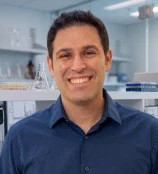
Itay Raphael studies the complexities of the immune system, with the aim of translating his findings into clinical impact. He earned his doctorate in Cell and Molecular Biology from the University of Texas at San Antonio, where he examined the role of T cells in neuroinflammatory diseases, such as multiple sclerosis.
Dr. Raphael subsequently pursued postdoctoral research at the University of Pittsburgh School of Medicine, where he was awarded a National Institutes of Health training fellowship in Immunology and Immunopathology to investigate immunoregulatory mechanisms of T cells in neuroinflammation. This was the first of several prestigious grants he received.
At the University of Pittsburgh, a faculty mentor sparked Dr. Raphael’s interest in developing novel therapeutics for aggressive childhood glioma, a form of brain cancer. Their collaborative work integrated cancer immunology, computational biology, and neuro-oncology, leading to clinical trials at the university’s UPMC Hillman Cancer Center. Ultimately, his contributions led to his promotion to Research Assistant Professor in the Department of Neurological Surgery at the University of Pittsburgh.
Now back in Israel where he grew up, Dr. Raphael is an Assistant Professor (Senior Lecturer) at the Institute for Drug Research in the School of Pharmacy, part of the Faculty of Medicine at The Hebrew University of Jerusalem. In his newly established laboratory, he focuses on brain cancer immunology and T cell immunotherapies. Recognizing that few patients with brain tumors currently benefit from recent advances in cancer immunotherapy, his research seeks to uncover the immunoregulatory mechanisms of T cells in brain tumors, with the aim of identifying and evaluating innovative immunotherapeutic strategies that have the potential to serve as life-saving treatments for both pediatric and adult patients. He is committed to helping ensure that Israel remains a global leader in cellular immunology and innovative translational research.