

Dr. Anita Shlesinger
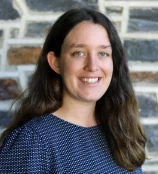
- Yissachar lab
-
Prof. Nissan Yissachar Lab websiteDr. Yishay Pinto
As an undergraduate bioengineering major at the University of California, Berkeley, Anita Shlesinger developed a strong interest in microbiome-based biomedical applications, pursuing research in academic, industry, and government settings, including internships at the Lawrence Berkeley National Lab in California and the Center for Quantitative Biology in Peking University.
For her doctorate at the Pratt School of Engineering at Duke University, she integrated microbiome, physiological, and clinical data to investigate links between gut microbial ecosystems and cardiovascular health, using advanced computational approaches. As part of her doctoral training, she spent several months as an intern at Vedanta Biosciences, where she focused on the development of microbiome-based therapeutics. Much of her doctoral research was supported by generous grants from the National Science Foundation and the National Institute of Health.
In the Faculty of Life Sciences at Bar-Ilan University, Dr. Shlesinger’s postdoctoral research integrates computational and experimental approaches. One of her two advisors is Dr. Yishay Pinto, a Zuckerman Scholar himself.
The microorganisms living in the human gut—the gut microbiome—plays a central role in digestion and immune system regulation. Recent research has shown that patients’ responses to immune checkpoint inhibitors, a powerful class of cancer immunotherapy drugs, depend in part on the composition of their gut microbiome. These findings help explain why many cancer patients either fail to respond to immunotherapy or eventually relapse.
Dr. Shlesinger’s research seeks to identify the specific microbes that drive these responses, with a particular focus on phages—viruses that infect bacteria. By studying multiple forms of cancer, she aims to understand how differences in the microbiome shape interactions with immunotherapy.
Ultimately, her goal is to enable clinicians to make more informed treatment decisions based on the microbial biomarkers she identifies. Her work could also contribute to the development of microbial immunotherapeutic adjuvants—agents that enhance treatment efficacy—which could substantially increase the number of patients who benefit from these life-saving therapies.