


A new method of surface patterning may help create defect-free electronic channels.

Science continues finding evidence that the bacterial universe in our guts affects our overall health.

By implanting engineered tissue from stem cells taken from the gums, the Technion’s Prof. Shulamit Levenberg provides new hope for people with spinal column injuries.

The combination therapy, of two FDA approved drugs, protects the blood-brain-barrier and is aimed at preventing development of brain pathologies.

A group of scientists from Tel Aviv University and Stanford University cooperating on the Digital Living 2030 program is trying to prepare for all of the scenarios in the coming years that will challenge the way we live.
The ability to anticipate the future is key to the survival of all living things. Like humans, worms are capable of forming associative memories.

Researchers from Bar-Ilan University suggests that short exposure to the Marvel superhero movies featuring Spider-Man and Ant-Man can reduce arachnophobia symptoms by up to 20 percent.
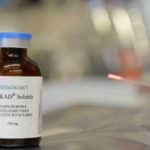
A new treatment for prostate cancer in men who don’t want to undergo radical surgery because of the side effects has been developed by Israeli scientists.

Discovery may pave the way to creating entire human embryos out of human skin cells, without sperm or eggs, says head of study.
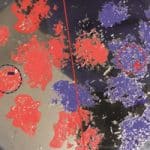
Researchers from the Weizmann Institute of Science and The Hebrew University of Jerusalem have started to use magnets to crystallise chiral compounds out of solution and fully separate them.

A drug targeting the enzyme DHODH could correct the abnormal set point of the ‘thermostat’ in the brain cells of epileptic patients.
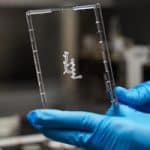
The center is expected to add significant value to tissue engineering research and will be open to all Technion scientists and researchers to lead the department into new areas.
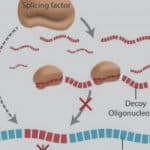
Hebrew University researchers create decoys that block RNA-binding proteins from spreading cancer.

Cybersecurity researchers at Ben-Gurion University have found that hackers have the ability to access the 3D medical scans of patients and add or remove images of malignant tumors, placing patients at risk of misdiagnosis.