
Focus: Microbiome
“FOR GUT’S SAKE”
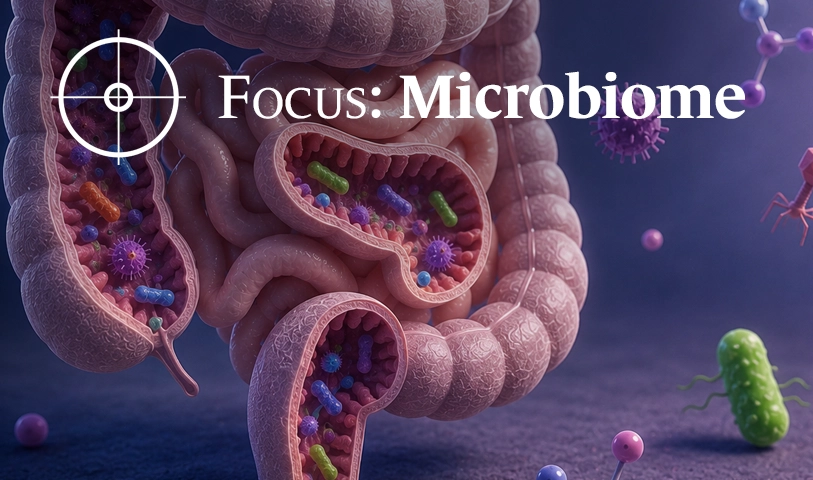
How the trillions of microorganisms living in and around us are reshaping our understanding of health, disease, and human biology.
The human microbiome has become one of the most active and influential fields in modern biology. Far more than a collection of microorganisms, it is a complex ecosystem that communicates continuously with our tissues, immune system, metabolism, and even distant organs. A rapidly growing body of research points to a striking conclusion: many of the diseases that most affect human health may trace back to the gut, and many of the most promising paths to healing them start there too. As scientists devote unprecedented effort to uncovering how these microbial communities influence health and disease, they are opening new possibilities for earlier diagnosis, more precise therapies, and a deeper understanding of human biology.
Israel has emerged as one of the world’s leading centers for this research, with Zuckerman Scholars at the forefront of efforts to reveal how the gut and its microbial residents impact our lives.
Protecting the Gut
WHO: Danielle Karo-Atar, Zuckerman Faculty Scholar, Ben-Gurion University of the Negev
RESEARCH PROMISE:
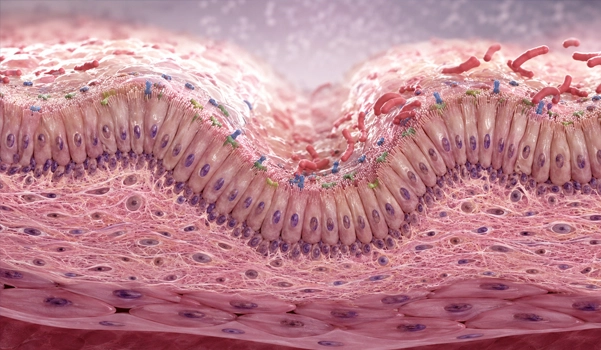
A growing wave of research is converging on a central idea: a healthy gut depends not only on fighting infection, but also on preserving the epithelial barrier that protects intestinal tissues. Dr. Karo-Atar studies host-pathogen interactions at the intestinal epithelial interface, with a focus on enteric helminth infections caused by parasitic worms that inhabit the human gastrointestinal tract, and the mechanisms that support intestinal resilience, immunity, and repair. Dr. Karo-Atar’s research examines how these interactions shape tissue integrity and barrier function, which could advance new therapeutic approaches to promote intestinal health that begins in the gut.
Watch Dr. Karo-Atar at her lab
Feeding the Ecosystem: It All Starts in the Gut
WHO: Lior Lobel, Zuckerman Faculty Scholar, Bar-Ilan University
RESEARCH PROMISE:
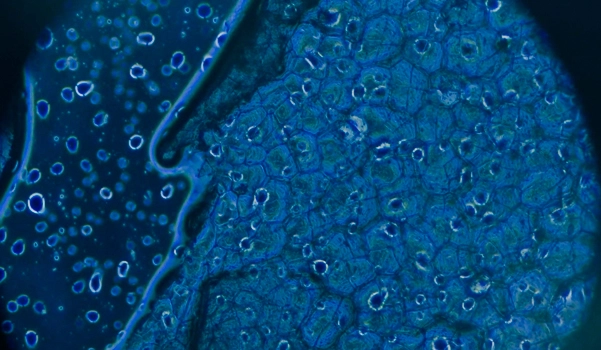
The microbiome is constantly shaped by what we eat, and few findings have done more to advance the idea that the gut sits at the root of whole-body health. Dr. Lobel studies the interaction of diet and gut bacteria. and how that produces metabolites that influence host immunity, metabolism, organ function, and disease. His groundbreaking research on dietary sulfur amino acids, bacterial protein modifications, chronic kidney disease, and colorectal cancer, helps explain how conditions once thought to originate elsewhere in the body may in fact begin in the gut, and how nutrition may one day be used more precisely to support health and improve responses to disease.
Studying Bacteriophages, the Viruses of the Gut
WHO: Yishay Pinto, Zuckerman Faculty Scholar, Bar-Ilan University
RESEARCH PROMISE:
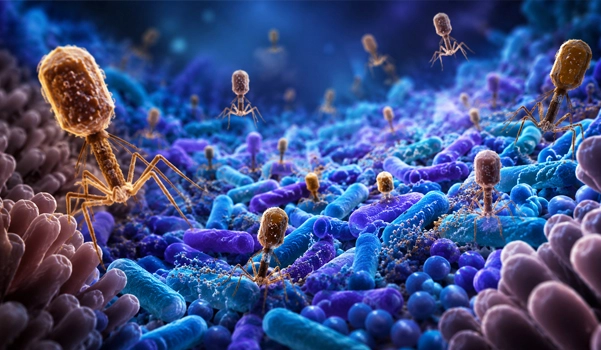
The gut microbiome includes not only bacteria, but also the viruses that infect them, known as bacteriophages, or phages. Dr. Pinto studies the human microbiome from this often-overlooked viral perspective, combining genomics, computational biology, sequencing technologies, and synthetic biology to understand how phages shape bacterial populations, influence immune activity, and affect disease development. His work on Phanta, a profiling tool for phage-inclusive human gut microbiomes, helps bring these hidden players into clearer view and may support future phage-based approaches to diagnosis and therapy.
Microbes and Cancer Therapy
WHO: Anita Shlesinger, Zuckerman Postdoctoral Scholar, Bar-Ilan University
RESEARCH PROMISE:
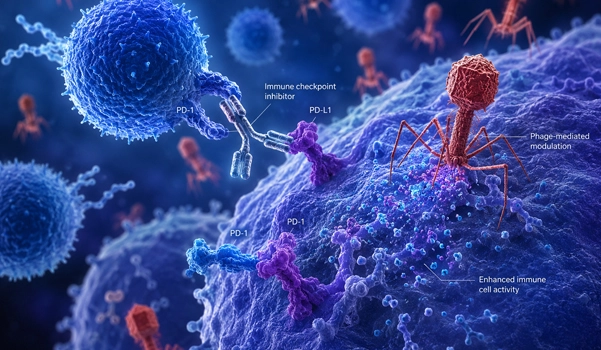
The gut microbiome can shape how patients respond to powerful cancer immunotherapies. Dr. Shlesinger’s postdoctoral research at Bar-Ilan University identifies the microbes, and especially phages, that may help explain why some patients respond to immune checkpoint inhibitors while others do not. By studying microbiome differences across cancers, her research aims to uncover microbial biomarkers that could guide treatment decisions and support the development of microbiome-based tools to improve therapeutic response.
Understanding Microbial Communities
WHO: Sivan Pearl-Mizrahi, Zuckerman Faculty Scholar, The Hebrew University of Jerusalem
RESEARCH PROMISE:
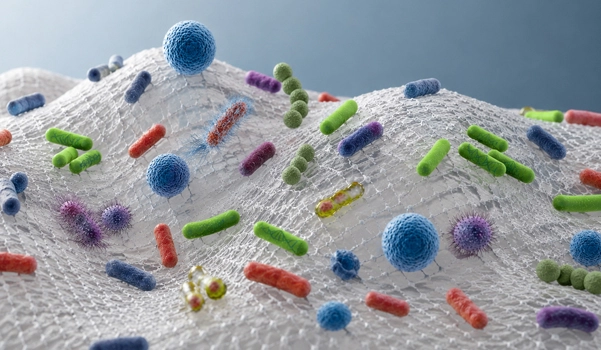
The microbiome is a living community whose members cooperate, compete, and adapt to changing environments, dynamics researchers trace back to the gut. Dr. Pearl-Mizrahi studies principles that shape how these microbial communities assemble, function, and evolve, especially under stress and perturbation. Her research provides valuable insights into microbial interactions affecting health, agriculture, food systems, and the environment.
Microbial Metabolites
WHO: Dana Binyamin, Zuckerman Israeli Postdoctoral Scholar, Stanford University
RESEARCH PROMISE:
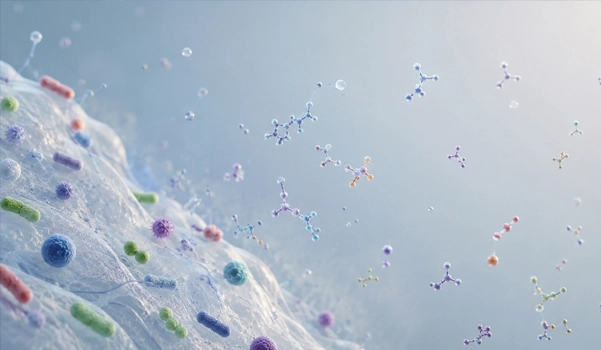
Microbes communicate with the body through an extraordinary array of small molecules known as microbial metabolites. These chemical messengers continue to be understood as a direct line from the gut to the rest of the body. Dr. Binyamin studies these microbiome-host interactions focusing on how microbial communities and the metabolites they produce or modify affect host physiology, immune function, metabolic health, aging, and disease susceptibility. Her research aims to identify microbiome-driven mechanisms that could inform targeted interventions for disease prevention, treatment, and healthy aging.
WHO: Ido Goldstein, Zuckerman Faculty Scholar, The Hebrew University of Jerusalem
RESEARCH PROMISE:
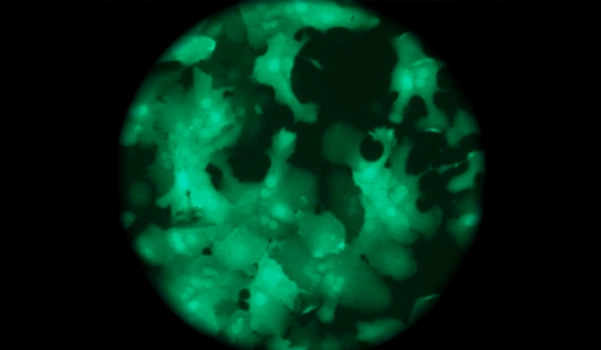
The influence of the microbiome extends far beyond the digestive system, intersecting with broader questions of metabolism, nutrition, and physiological adaptation. Dr. Goldstein studies nutrigenomics, liver biology, and gene regulation, focusing on how the liver responds to fasting and refeeding and how these processes support metabolic health. His research contributes an important metabolic perspective on how nutrition and whole-body physiology shape health as an interconnected system.
Looking Ahead
Zuckerman scholars are at the forefront of one of the biggest shifts in understanding human biology. For years, the gut microbiome and microbial communities were seen mostly as useful digestive assistants. The groundbreaking research conducted by Zuckerman scholars is at the forefront of tracing ways gut bacteria interacts with tissues and driving some of medicine’s most exciting breakthroughs in precision medicine, pointing toward treatments tailored to a person’s own biology.