

A team of experts at Tel Aviv University (TAU) in central Israel recently launched a satellite designed to protect space systems from cosmic radiation.
New types of experiments indicate that the time-lag for re-excitation of a neuron, the building block of our brain, is extremely longer — even ten times longer — than assumed for over a hundred years

The researchers looked at the olfactory system of the fruit fly, examining whether the voltage dependence of GPCRs is significant to brain function.
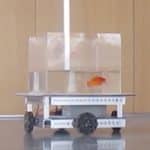
Scientists at the Ben-Gurion University of the Negev (BGU) in Beersheba say they have trained a goldfish to operate a “Fish Operated Vehicle” (FOV). More specifically, they have taught the goldfish how to direct this vehicle in the direction that it wants to swim.
Their discovery focused on a naturally occurring peptide from the non-coding region of mRNA.
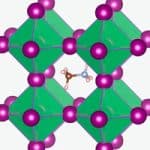
Self-healing nanomaterials usable in solar panels and other electronic devices are being explored at the Technion

Prof. Jacob Hanna’s method for growing mouse embryos outside the womb was shortlisted for Science’s Breakthrough of the Year. Another study from his lab brings us one step closer to growing human organs for transplantation

Researchers from Bar-Ilan University found that early diagnosis and therapeutic intervention to treat symptoms of ASD were helpful in averting severe deviations in neurodevelopment.

Catalysis is responsible for 95% of industrial chemical processes, and directly affects more than 1/3 of the world’s gross domestic product (GDP).

Breathing air with added oxygen overnight for about a month seems to improve depressive symptoms significantly, according to study.

Revelations about muscle stem cell fusion find their way into the food tech industry
A Hebrew University team found success while examining lymphoma, a type of cancer that typically doesn’t show up in blood tests.
Findings may lead to ways to delay, or even roll back, the course of the fatal disease in its early stages