

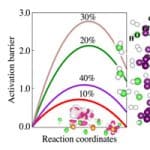
UConn researchers and collaborators at Technion developed a theoretical model that will expediate the development of affordable fuel cells, a key technology for sustainable energy.
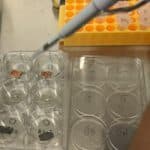
Researchers discover that gaseous ozone can quickly and cheaply sanitize entire rooms, including objects inside them and hard-to-reach locations.
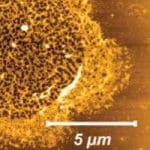
A collaborative effort reveals deadly malaria parasites’ pre-invasion strategy for softening up red blood cells
Researchers from Ben-Gurion University have recently found that this prolonged stay indoors is associated with a blood sugar imbalance, particularly with regard to young diabetics.

Hebrew University professor says tech that mimics human body can now be used to develop other new treatments, saving time, animals’ lives and money.
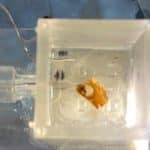
Many insects see and hear better than any camera or microphone; that’s why a bug-eyed Tel Aviv team is connecting insect parts to circuits and says this’ll be tomorrow’s tech.

Ben-Gurion University of the Negev Researchers (BGU) have found for the first time that cigarette smoke toxicity impacts the protective biofilm in the lungs, particularly concerning when paired with COVID-19 respiratory issues.
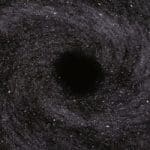
Researchers at the Technion created a black hole analog out of a few thousand atoms.

Published in the periodical Nature Astronomy, the discovery relied upon ultra-powerful radio telescopes to study these catastrophic cosmic events in distant galaxies called Tidal Disruption Events (TDE).
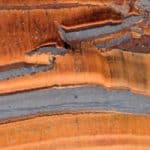
A look at enzyme evolution suggests life figured out how to use oxygen long before the main event

From bedside to bench and back: Researchers reveal a genetic signature that could help overcome drug resistance in some of the most aggressive forms of multiple myeloma

The researchers noted that while ozone is most known for being in the atmosphere and blocking harmful UV rays, it is also a strong oxidant and disinfectant employed in water and wastewater treatment.

Clozapine had been known to help those who are dealing with schizophrenia. However, up until now, extensive blood checks were needed to measure its effectiveness. Now a simple pin prick is enough.
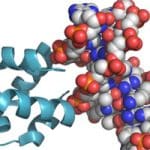
Until now, scientists had no choice but to allow proteins to fold in whichever way it falls, with the process taking hours to days with expected loss in material along the way.