


Mapping cellular turnover sheds light on the balance between renewal and stability in our bodies.
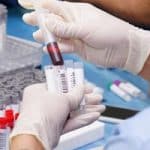
Researchers at Hebrew University of Jerusalem hope new method, which examines what cells are dying and why, will replace invasive procedures that are painful and only useful when a disease has reached sufficiently advanced stage.

New findings could deepen understanding of spread and inform public health policies.

A physical model explains a peculiar pairing of tiny midges inside a swarm.

On World Cancer Day 2021, BGU shares some of the cancer research currently taking place at the university.

Study shows close interaction with nature has more tangible benefits for lifting spirits, and that you don’t have to turn off your phone to do so.

Millions of blood samples from Israel’s population reveal hormone swings over the course of the year.
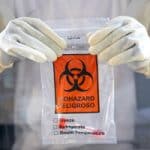
“We’ve already successfully tested 40,000 samples in Israel during the first two weeks of clinical operation,” says Prof. Hertz.

A new computational method developed at Haifa University shortens the usually long process to identify receptors’ functions.

Newly-developed technology enables scientists to blow up tissues and detect the exact location of RNA molecules inside them, boosting efforts to advance treatment of complex diseases, as well as Alzheimer’s and cancer research

BGU researchers and their collaborators at Harvard say they’ve adapted the Mediterranean diet to make it twice as effective in eliminating liver fat by tweaking the traditional regimen to include special greens.

Research could lead to development of future drugs to eliminate the cells
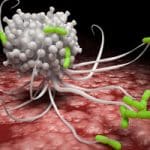
A metabolic switch in microbe-fighting macrophages signals bacteria to convert them to hotels with amenities.

A new study, led by Bar-Ilan University’s Azrieli Faculty of Medicine, reveals that antibiotic treatment within 14 days of birth is associated with reduced weight and height in boys – but not girls — up to the age of six.