
The brains of all mammals, from tiny mice through humans to large bulls and dolphins, exhibit equal connectivity, and information travels with the same efficiency within them.

Now a Tel Aviv University study provides evidence for a direct link between electrical fields in the atmosphere and those found in living organisms, including humans.
Matching drugs to tumors may lead to personalized treatment and new therapies.
A group of researchers at Bar-Ilan University has shown that relatively simple structures can support exponential number of magnetic states – much greater than previously thought.

Volunteers aged 65-plus ended up with sharper brains after sessions in a special oxygen chamber, says Shai Efrati. One volunteer: ‘I entered healthy and left a tiger’

Israeli study results highlight the importance of early diagnosis and treatment of cardiac disease in cancer patients.

Such technologies can speed up and improve desalination (separation of salts from water) and other water treatment processes, while cutting costs, and may promote developments in medicine, energy production and other fields, it said.

Researchers treat municipal and agricultural pruning, hay, paper waste and paper sludge with ozone to turn it in to ethanol for hand sanitizers.
An Israeli-designed one-minute breath test to tell whether someone has coronavirus could soon be installed at hundreds of global entry points
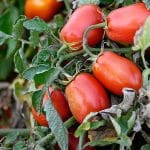
“Xantomato” is rich in zeaxanthin, which has been linked to the inhibiting of degenerative diseases that can cause blindness in adults.

“In today’s world, where social divisions are increasing, our studies are showing us how music can be a common denominator to bring people together,” Zuckerman Postdoctoral Scholar at Bar-Ilan University, David Greenberg


Researchers at BGU have determined how to pinpoint the location of a drone operator who may be operating maliciously or harmfully near airports or protected airspace by analyzing the flight path of the drone.
The case for immunity from reinfection for coronavirus patients is looking good, say researchers at Tel Aviv University