


Q & A with Prof. Eran Hornstein on discovering why mutations in a gene for a tiny non-coding RNA could herald the onset of neurodegenerative disease.

New research study from BGU’s National Autism Research Center of Israel finds brain waves of children with autism are shallower.

Cancer is the second leading cause of death in the United States. Around the globe, cancer incidence has been steadily increasing over the past half-century.

Vital to healing wounds, fibroblasts have a “misguided” response to cancer cells, according to TAU researchers.

BGU’s Prof. Varda Shoshan-Barmatz in collaboration with NIH’s Dr. Jay Chung have succeeded in showing that the mitochondrial protein VDAC1 is critical for the release of mitochondrial DNA (mtDNA) associated with the pathology of Lupus disease.
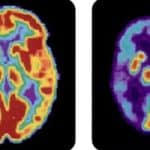
The research could have a meaningful impact in the field of personalized medicine.


New findings present a nuanced picture of electron flow in quantum states.

‘In analogy to what we know from atoms, we can now combine different quantum dots (‘artificial atoms’) to form molecular-like structures,’ says Prof. Uri Banin.

Due to the range of ages, the protocols nonetheless urge extra caution in older adults in case of multiple drug interactions.

The implications of the study have the potential to be groundbreaking in the field of electronics, as it can create ways of lowering electrical resistance.

The study was published in the journal Evolution Letters, and shows that differing necessities in gender and life can influence using different voices for different reasons.

A groundbreaking clinical approach has been developed combining new diagnostic techniques to detect a leaking blood-brain barrier (BBB) with a new anti-inflammatory drug that for the first time slows or reverses age-related cognitive decline.
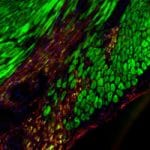
The small molecule reduces damaging inflammation and improves heart function in mouse models of heart attack.