


Elevated activity in areas of the brain associated with attentional control just before events increases the probability that we will remember the event.

Researchers at the University of Haifa present first method that recovers color with revised model, using RGBD images.

Researchers using artwork analysis find that a disabled child has a positive effect on family, correlating with higher scores on empathy and closeness, less conflict and rivalry.

A non-toxic blue dye commonly used in biology labs helps repair damaged heart tissue in mice, say researchers at the Weizmann Institute of Science in Israel.

What if cancer could be diagnosed faster allowing treatment to be developed quicker too? A team of cancer researchers from Ben-Gurion University and Hebrew University, are working to do just that.

Researchers at The Hebrew University of Jerusalem have developed a new approach that transforms the MRI from a “camera of the brain” into a measuring device.
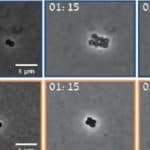
A team of Israeli biophysicists and doctors say they have developed a mathematical model that could help medical professionals predict whether certain bacteria-fighting antibiotic treatments will fail or succeed.

These electromagnetic waves have a unique ability to see through and identify materials; Tel Aviv University scientists manage to produce them in a lab.
Researchers at Israel’s Bar-Ilan University have taken a step toward understanding – and ultimately preventing – fatty liver disease.

Researchers at the Technion have developed an innovative prototype system for the efficient, safe production of hydrogen using only solar energy.
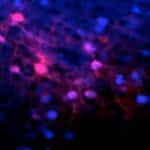
A new study conducted at the Sagol Department of Neurobiology has identified a neural pathway in the brain that determines whether a particular taste will have positive emotional value, and therefore consumed in future encounters, or negative, and therefore avoided in future encounters.
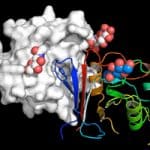
The molecule points the way toward treating viruses that cross from animals to humans.
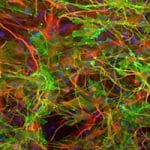
AstroRx is a cell therapy product containing functional healthy astrocytes derived from human embryonic stem cells that aim to protect diseased motor neurons.

The research could have a meaningful impact in the field of personalized medicine.