


Researchers at Haifa’s Technion–Israel Institute of Technology say they have developed a standalone system capable of producing water from air, including in desert regions.

Offspring of obese women have higher rates of autism, eating and sleeping disorders, Ben-Gurion University researchers find.

Researchers at Tel Aviv University have for the first time demonstrated the backflow of optical light propagating forward.

The Neuroendocrine Tumor Research Foundation today announced $3.5 million in neuroendocrine tumor (NET) research grants to fund 12 projects around the world in pursuit of more precise treatments for this uncommon cancer affecting an estimated 171,000 Americans.

Study shows it is possible to rejuvenate kidneys and improve their function by using the patient’s own stem cells.
A clever exchange of elements enabled researchers to measure a protein’s movements.

Carbon-containing waste has presented an increasingly problematic challenge for industrialized societies.

Uri Sivan is positioning the world-renowned university to meet 21st-century challenges in human health, energy, environmental sustainability, education and advanced manufacturing.

Weizmann Institute scientists discover nine parameters that identify women at a high risk of developing diabetes during pregnancy.

Deficiency of a common substance could be linked to cognitive and behavioral problems.

The innovative breakthrough is that if you can’t detect it, you can’t steal it.
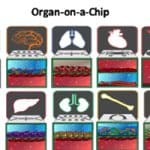
Tel Aviv and Harvard University scientists have created and linked up nine Organs-on-a-chip, including brain, heart and liver, paving way for personalized drug development.

‘These molecules may help develop drugs against inflammation and against Huntington’s disease,’ says Weizmann Institute researcher.

Researchers at Ben-Gurion University and Hebrew University have developed a powerful tool that will streamline and accelerate the development of disease therapies, transforming a multi-year process into just a few days.